You invested in impact windows to protect your Florida home from hurricanes, and they are doing that job well. But if you are still dealing with hot spots near west-facing glass, glare across your living room in the afternoon, or furniture fading despite the laminated glass, you are not alone. Many homeowners want to know how to reduce heat and UV after impact windows are already installed. The good news: there are additional steps you can take to maximize the performance of your existing windows without replacing them.
What Impact Windows Already Block (and What They Don’t)
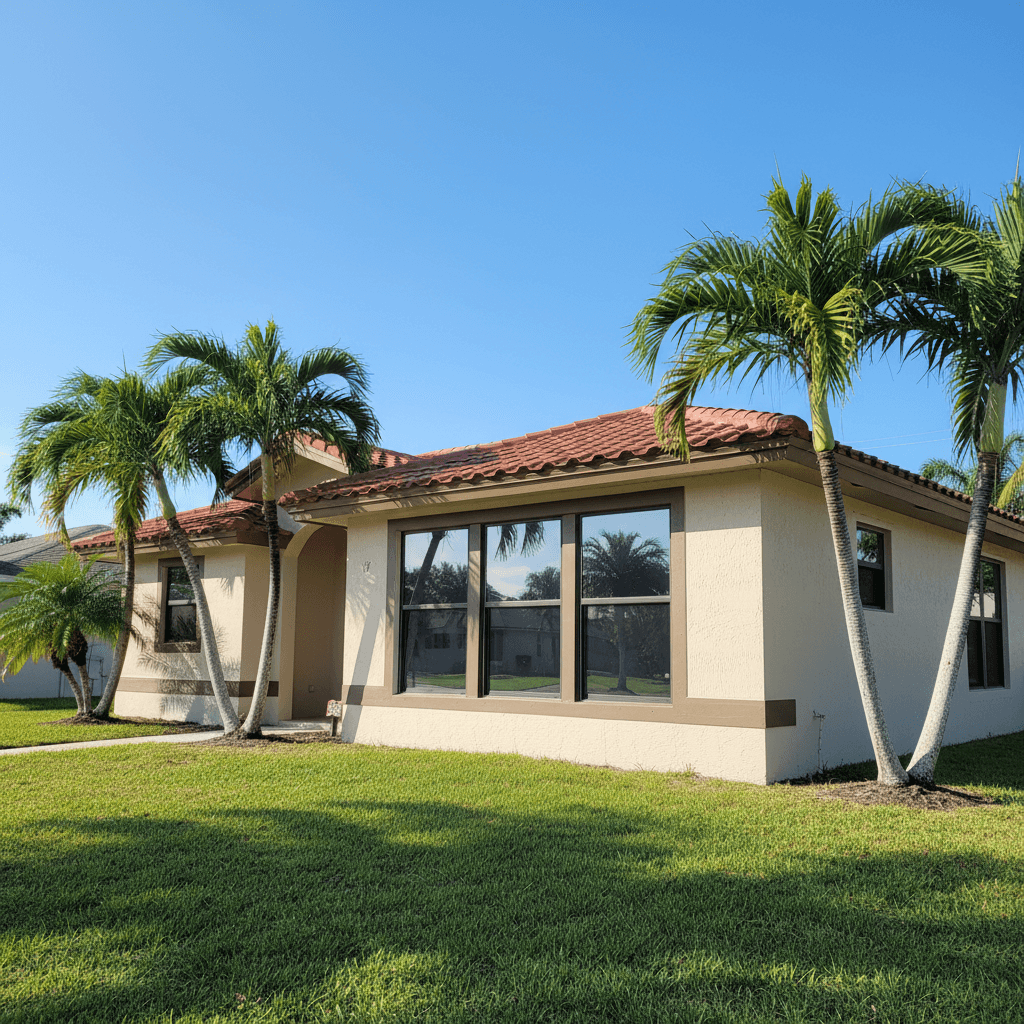
Impact windows with laminated glass are excellent at blocking UVB rays — the type that causes sunburn and skin damage. Most impact glass blocks 95% to 99% of UVB radiation, providing significant protection for both your skin and your interior furnishings.
However, impact glass blocks a smaller percentage of UVA rays — typically 60% to 80%, depending on the specific glass type and manufacturer. UVA rays penetrate deeper into materials and are the primary cause of fading in furniture fabric, hardwood floors, artwork, and leather. While impact glass is better than standard glass, it does not eliminate UVA exposure entirely.
The bigger issue for many homeowners is solar heat gain. Clear impact glass still allows significant solar heat to pass through, especially on south-facing and west-facing walls that receive direct sun for extended periods. The laminated interlayer provides some heat rejection, but not nearly as much as tinted or Low-E coated glass. Many Florida homes were originally installed with clear laminated impact glass because it was the most affordable option — and now those homeowners feel the heat.
Tinted or Low-E impact glass performs substantially better on heat rejection, but replacing existing impact windows with higher-performance glass is expensive and usually unnecessary. The better approach is to add supplemental heat and UV protection to your existing windows.
Ceramic Window Film: The Top Upgrade
Ceramic window film is the most effective add-on for impact windows that need better heat and UV rejection. Sun Guard Window Tinting in Punta Gorda applies ceramic tint to residential glass, including impact windows and sliding glass doors. Ceramic film can be applied directly over impact laminated glass without voiding the window warranty in most cases — though you should verify with your window manufacturer before installation.
Modern ceramic films reject 40% to 60% of solar heat while maintaining optical clarity. Unlike older metallized films that gave windows a dark or mirror-like appearance, ceramic technology uses nano-particle construction that blocks infrared heat without significantly changing the look of your glass. From the outside, your windows look virtually the same. From the inside, you notice an immediate reduction in heat and glare.
Professionally installed ceramic film costs $8 to $14 per square foot — far less than replacing windows with higher-performance glass, which can run $500 to $1,200 per window. For a home with 20 windows averaging 15 square feet each, ceramic film runs approximately $2,400 to $4,200 installed, compared to $10,000 to $24,000 for new windows.
The UV blocking capability of ceramic film brings your total UVA and UVB rejection above 99%, providing museum-grade protection for interior furnishings. If you have hardwood floors, leather furniture, or valuable artwork near windows, ceramic film pays for itself by extending the life of these items.
Solar Screens and Exterior Shading
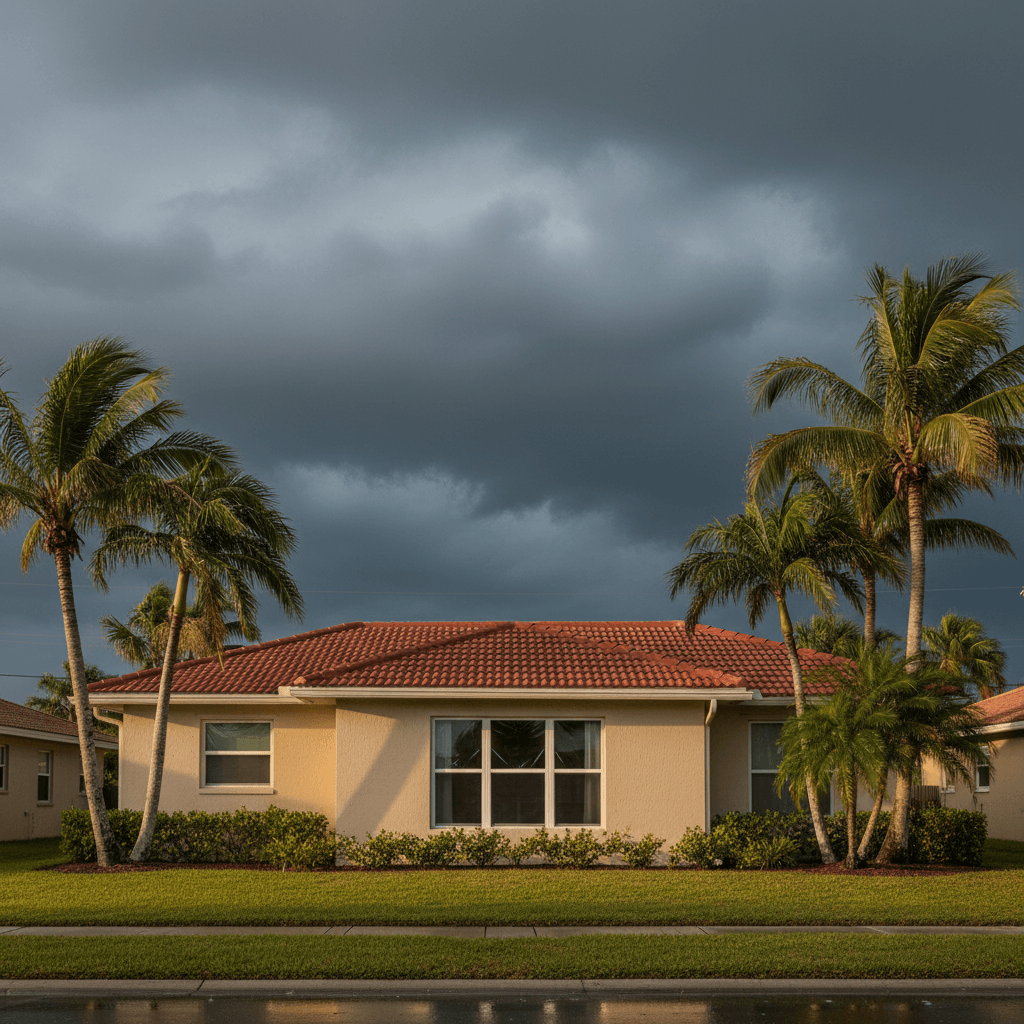
Exterior solar screens block heat before it reaches the glass surface, making them more effective than interior treatments at reducing solar heat gain. The principle is simple: stopping heat outside the window is always more efficient than trying to manage it after it has already entered the room.
Screen materials range from 80% to 95% UV blockage while still allowing outward visibility. Premium solar screen fabrics use woven materials that block direct sun while maintaining a clear sightline from inside — you can see out, but the screen reduces the sun’s intensity before it hits the glass. These screens are particularly effective on east-facing and west-facing windows that receive direct morning or afternoon sun.
Architectural shading — awnings, pergolas, and deep roof overhangs — provides permanent heat reduction without any maintenance or replacement cycles. In new construction or major renovations, designing roof overhangs to shade south-facing windows during summer (when the sun is high) while allowing winter sun to enter (when the sun is low) is a time-tested passive cooling strategy that works beautifully in Florida.
Landscaping with shade trees on the west side of your home can reduce afternoon heat load by 20% to 30%. In Southwest Florida, fast-growing native species like live oak, bald cypress, and sabal palm can provide meaningful shade within five to seven years of planting. Position trees to shade west-facing windows and walls, where afternoon sun produces the most intense heat.
Interior Solutions: Blinds, Shades, and Curtains
Cellular shades, also called honeycomb shades, add an insulating air pocket between the window glass and the room interior. This trapped air reduces heat transfer through the glass and provides a noticeable temperature difference — especially on windows that receive direct afternoon sun. Double-cell and triple-cell shades provide the highest insulating value.
Blackout curtains with a white or reflective backing reflect solar heat and can drop room temperature by 5 to 10 degrees on sun-facing walls. The white backing is important — dark curtain fabrics absorb heat and radiate it into the room, defeating the purpose. Look for curtains specifically marketed as thermal or insulating, and hang them as close to the window frame as possible to minimize air gaps.
Motorized smart shades represent the most advanced interior option. These can be programmed to close automatically during peak sun hours — typically 2:00 PM to 6:00 PM on west-facing windows — and open when the sun shifts. Integration with home automation systems allows you to set schedules, respond to temperature sensors, or control shades remotely. The convenience factor eliminates the common problem of forgetting to close shades before leaving for work.
Interior solutions are less effective than exterior options or film-based treatments at blocking heat because the sunlight has already passed through the glass and entered the room before the shade intercepts it. However, they work well as a supplemental layer on top of ceramic film or exterior shading.
Combining Solutions for Maximum Comfort
The most effective approach layers multiple solutions: ceramic film on the glass for heat and UV rejection, with exterior shading on the most exposed walls. This combination addresses heat at two points — at the glass surface and before the light even reaches the glass — producing the most comfortable interior environment.
West-facing windows deserve the most aggressive treatment. They receive the hottest, lowest-angle afternoon sun that standard overhangs cannot shade. For these windows, consider ceramic film plus exterior solar screens or strategically placed shade trees. The investment in these specific windows produces the greatest comfort improvement per dollar spent.
After adding film, screens, or other heat reduction measures, ask your HVAC technician to rebalance your system. Your cooling load will decrease, and zones that previously ran hot may now overcool if the system is not adjusted. A simple thermostat adjustment or duct damper rebalance ensures even temperatures throughout the home.
Track your electric bill for two to three months after upgrades to quantify the energy savings. Compare the same months year-over-year to account for seasonal variation. Many homeowners who add ceramic film and exterior shading see a 10% to 20% reduction in summer cooling costs, which provides an ongoing financial return on top of the comfort improvement.
Frequently Asked Questions
Does adding window film to impact windows void the warranty?
Most impact window manufacturers allow ceramic film installation without voiding the warranty, but you should check your specific warranty terms before proceeding. Avoid dark or highly reflective films that could cause excessive heat buildup in the laminated interlayer — ceramic films are designed to avoid this issue.
How long does ceramic window film last?
Professional-grade ceramic film typically carries a 10 to 15 year warranty and can last 20 years or more with proper care. Avoid using ammonia-based cleaners on filmed windows, as they can degrade the adhesive over time. Use a soft cloth with soapy water for cleaning.
Will solar screens block my view?
Modern solar screen fabrics are designed to preserve outward visibility while blocking UV and heat. From inside looking out, the screen is barely noticeable — similar to a standard insect screen. From outside looking in, the screen provides daytime privacy by reflecting light. At night with interior lights on, privacy is reduced.
Want to get more from your impact windows? Precision Aluminum & Remodeling can help you evaluate additional heat and UV solutions that complement your existing window investment. Call (239) 673-8357 to discuss your options with our team.