Last updated: March 2026
The Complete Guide to Energy-Efficient Window Treatments for Florida Homes (2026)
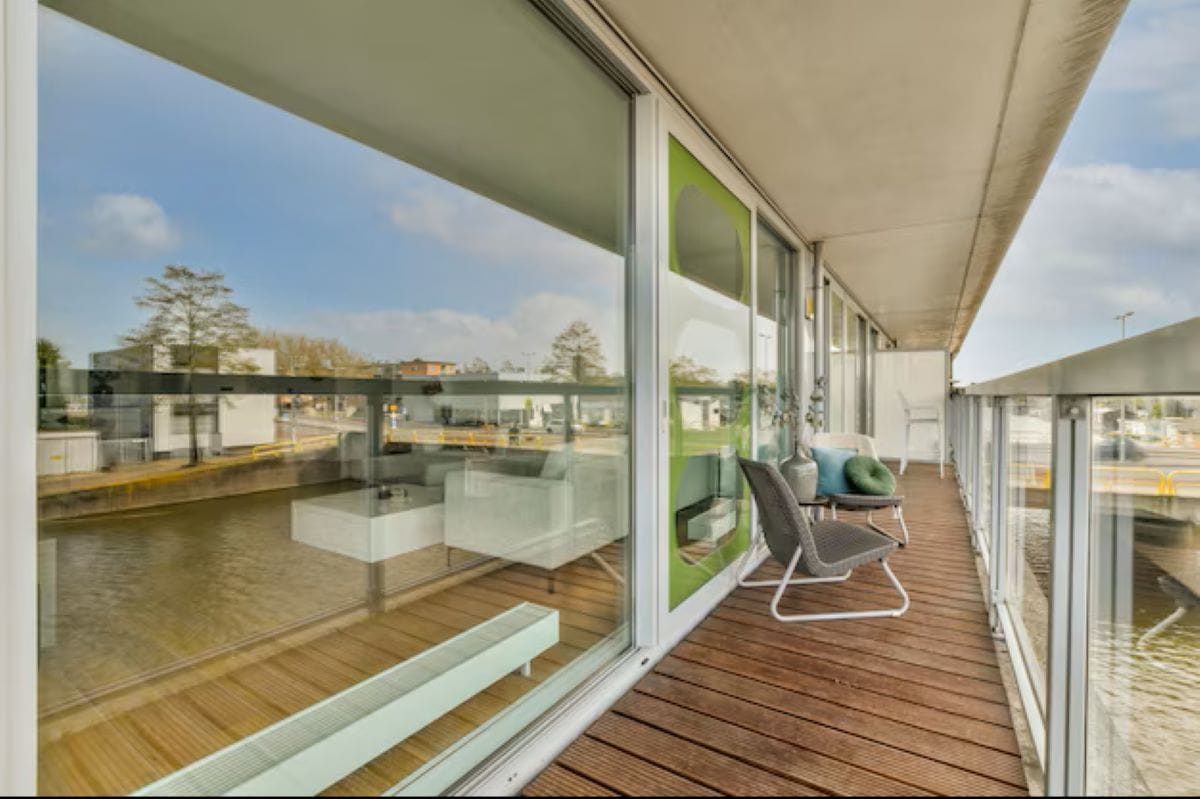
Florida homeowners face a unique challenge: keeping homes cool against intense heat and UV radiation while protecting against hurricanes. The right window treatments can cut your cooling costs by 15-30%, protect your furnishings from UV damage, and even qualify you for insurance discounts and state grants.
This updated 2026 guide covers every energy-efficient window option available to Southwest Florida homeowners—from budget-friendly treatments to premium solutions that combine hurricane protection with energy savings.
Best Energy-Efficient Window Treatments for Florida
1. Impact Windows with Low-E Glass
For Florida homeowners, energy-efficient impact windows offer the best all-in-one solution: hurricane protection, energy savings, insurance discounts, and UV blocking in a single upgrade.
- Cost: $500-$1,500 per window installed for standard sizes; $15,000-$30,000 for a full home replacement (varies by home size and window count)
- Energy savings: 15-30% reduction in cooling costs with Low-E coating
- UV protection: Blocks 99%+ of harmful UV rays
- Insurance savings: 25-45% reduction on windstorm premium (Florida law mandates discounts for qualifying impact-rated products)
- Key ratings: Look for SHGC ≤ 0.25 and U-Factor ≤ 0.40 (Florida Building Code 8th Edition minimum for Zone 2); ENERGY STAR requires SHGC ≤ 0.23 and U-Factor ≤ 0.30 as of 2025
Pro tip: Impact windows that meet Florida Building Code requirements may qualify for up to $10,000 in matching grants through the My Safe Florida Home program—the state pays $2 for every $1 you spend. As of March 2026, the program remains fully funded, but applications are processed on a first-come, first-served basis.
2. Window Film / Tinting
Professional window film is the fastest payback option for existing windows. It rejects solar heat before it enters your home, and modern ceramic films maintain clear views.
- Cost: $5-$12 per square foot professionally installed (ceramic film); $2-$6 per square foot for standard film
- Energy savings: Up to 30% reduction in cooling costs; high-performance ceramic film rejects up to 79% of solar heat
- UV protection: Blocks up to 99.9% of UV rays—the best UV protection of any treatment
- Payback period: 2-5 years (often the best ROI per dollar spent in Florida)
3. Cellular (Honeycomb) Shades
Cellular shades trap air in honeycomb-shaped pockets, creating an insulating barrier. Double-cell versions provide the best performance in Florida’s heat.
- Cost: $50-$200+ per window; motorized smart-home versions available
- Energy savings: 17-36% reduction in daily energy use; reduces solar heat gain by up to 80%
- Payback period: 2-4 years
- Best for: Pairing with existing impact windows for additional insulation; bedrooms and living areas
4. Solar Shades and Screens
Exterior solar screens stop heat before it reaches the glass—making them especially effective in Florida’s intense sun. Interior solar shades filter light while maintaining views.
- Cost: $100-$300 per window (exterior screens); $80-$550 per window (interior shades)
- Energy savings: 25-30%+ reduction in cooling costs
- UV protection: Blocks 65-90% of UV rays
- Payback period: 2-3 years in warm climates
- Best for: West-facing and south-facing windows that receive the most afternoon sun
5. Plantation Shutters (Interior)
Louvered interior shutters create an insulating air barrier when closed. Composite versions resist Florida’s humidity without warping.
- Cost: $200-$900 per window installed; $25-$50 per square foot
- Energy savings: 30-50% reduction in heat transfer when closed
- Durability: Composite shutters resist humidity, warping, and fading—ideal for Florida’s coastal climate
- Home value: One of the few window treatments that adds measurable resale value
6. Insulated (Thermal) Curtains
The most budget-friendly option. Multi-layer curtains with thermal backing trap air and block heat.
- Cost: $25-$120 per panel
- Energy savings: 10-25% reduction in cooling costs; blocks 33% of heat gain (medium-colored with white backing)
- Payback period: Under 1 year
- Best for: Renters, budget-conscious homeowners, or as a supplement to other treatments
7. Acrylic Windows for Lanai Enclosures
Acrylic window panels convert screened lanais into enclosed living spaces, adding usable square footage to your home while providing moderate energy improvement.
- Cost: $15-$40 per square foot; full lanai enclosure $5,000-$18,000 depending on size
- Energy efficiency: Moderate—functions as single-pane glass. Less insulating than Low-E or double-pane options but significantly better than a screened opening
- UV protection: Limited—acrylic is not UV-proof and will yellow over time without UV-stabilized panels
- Best for: Budget-friendly lanai conversions; glass enclosures ($30-$60/sq ft) are better for year-round climate control
Understanding Window Energy Ratings for Florida
Two numbers matter most when choosing energy-efficient windows in Florida:
Solar Heat Gain Coefficient (SHGC)
Measures how much solar heat passes through. Lower is better in Florida. The Florida Building Code 8th Edition (2023, effective 2024) requires SHGC ≤ 0.25 for Zone 2 (Fort Myers, Cape Coral, Naples, North Port, and most of Southwest Florida). ENERGY STAR requires ≤ 0.23.
U-Factor
Measures how well a window insulates. Lower is better. Florida code requires U-Factor ≤ 0.40. ENERGY STAR requires ≤ 0.30 (tightened from ≤ 0.32 in previous versions).
Financial Incentives for Florida Homeowners (2026)
My Safe Florida Home Program
Florida’s largest incentive for window upgrades. The state matches $2 for every $1 you spend, up to $10,000 in grants for qualifying hurricane protection improvements including impact windows and doors. The program has been funded through the 2025-2026 fiscal year and remains active as of March 2026—but grant funds are distributed on a first-come, first-served basis. Read our complete MSFH guide →
Insurance Premium Discounts
Impact-rated windows qualify for 25-45% off the windstorm portion of your homeowners insurance. With Florida insurance premiums averaging over $6,000/year statewide in 2026, that translates to significant annual savings—potentially $600-$1,000+ per year depending on your policy and location.
Utility Rebates
Duke Energy Florida offers $2 per square foot (up to $400) for qualifying energy-efficient window replacements with SHGC ≤ 0.21 and U-Factor ≤ 0.27. Check with FPL and LCEC for additional local rebates—programs change annually, so contact your provider directly for current offerings.
Federal Tax Credits — Expired
The Section 25C Energy Efficient Home Improvement Credit (30% of cost, up to $600/year for windows) expired December 31, 2025. If you installed qualifying windows before that date, you can still claim the credit on your 2025 tax return. As of March 2026, no replacement federal credit has been enacted for residential windows.
Which Energy-Efficient Window Option Is Right for You?
The best choice depends on your budget, whether you need hurricane protection, and your home’s current windows:
- Best overall value for Florida: Energy-efficient impact windows combine hurricane protection + energy savings + insurance discounts + MSFH grants. The true cost after incentives is often 40-60% less than the sticker price.
- Best budget option: Window film ($5-$12/sq ft for ceramic) delivers the fastest payback at moderate cost—often 2-3 years.
- Best supplement: Cellular shades paired with existing impact windows for maximum insulation.
- Best for lanais: Acrylic panels for budget conversions; glass for year-round comfort.
Hurricane Season Preparation: Windows and Treatments
Florida’s hurricane season runs June 1 through November 30 each year. If you’re considering window upgrades, timing matters—contractors are busiest from April through June as homeowners rush to prepare. Planning your project in early spring or during the off-season (December-March) can mean shorter wait times and potentially better pricing.
Impact windows provide passive, always-on hurricane protection with no setup required before a storm. Compare this to storm shutters, which must be manually installed each time a hurricane threatens. For a detailed comparison, see our guide on impact windows vs. storm shutters.
Ready to Improve Your Home’s Energy Efficiency?
At Precision Aluminum & Remodeling, we specialize in impact windows, acrylic window panels, and lanai enclosures for Southwest Florida homes. As a licensed Florida contractor (CBC1262890) with over 60 years of experience, we help you choose the right solution for your budget and goals—and navigate the My Safe Florida Home grant process.
Contact us today for a free consultation, or call 239-673-8357.
FAQ
What is the most energy-efficient window treatment for Florida homes?
For new installations, Low-E impact windows provide the best combination of energy efficiency, hurricane protection, and financial incentives. For existing windows, professional ceramic window film offers the fastest payback—blocking up to 79% of solar heat at $5-$12 per square foot installed.
How much can energy-efficient windows save on cooling costs in Florida?
Depending on the type, energy-efficient window upgrades can reduce cooling costs by 15-30% annually. For the average Florida home spending $250-$350/month on electricity, that translates to $450-$1,200 per year in energy savings, plus potential insurance discounts of $600-$1,000+ per year for impact-rated products.
Are there grants available for energy-efficient windows in Florida in 2026?
Yes. The My Safe Florida Home program provides up to $10,000 in matching grants (2:1 match) for impact-rated windows and doors—the program remains active as of March 2026. Duke Energy also offers $2/sq ft rebates for qualifying window replacements. The federal Section 25C tax credit expired after December 2025.
What SHGC rating should I look for in Florida?
Florida Building Code 8th Edition (effective 2024) requires SHGC ≤ 0.25 for Zone 2 (which includes Fort Myers, Cape Coral, and Naples). ENERGY STAR recommends ≤ 0.23 for even better performance. The lower the SHGC, the less solar heat enters your home.
Can acrylic windows improve my lanai’s energy efficiency?
Acrylic panels provide moderate energy improvement by enclosing an open screen room, but they function as single-pane windows and are not UV-proof. For maximum energy efficiency and UV protection in a lanai enclosure, glass or vinyl alternatives with Low-E coatings are recommended.
When is the best time to replace windows in Florida?
The best time for window replacement in Florida is December through March—outside peak hurricane season and before the spring rush. Contractors typically have shorter lead times and may offer off-season pricing. With hurricane season running June 1 through November 30, completing your project by late spring ensures you’re protected before storm threats begin.
Helpful Resources
- Florida Building Code (8th Edition)
- NFRC — Understanding Energy Performance Ratings
- ENERGY STAR — Residential Windows Standards